Process Of Tree Removals In 2025
Do you have no idea regarding how to deal with a sick, dead, or problematic tree on your property? The one thing you have to do right now is to get rid of that tree as it becomes a threat to your safety and do serious harm to your property. The one thing you must do immediately is to remove that tree, as it can cause significant damage to your property and become a safety threat.
There exist various techniques for tree removal, each requiring specialized tools and knowledge of this particular field. In this blog post, we will guide you through the process of tree removal so that you may make choices with knowledge.
The Steps Involved in the Process of Tree Removal
One could think that the only steps in tree removal are using a chainsaw to chop the tree down and transporting it somewhere else.
However, the truth about a professional tree removal process is much more complex and sensitive. It involves more than just chopping down and removing a tree on your land. Rather, it involves a thorough, multi-step procedure that guarantees the security of both your property and the people nearby.
Here are the steps involved in the tree removal process that must be delicately carried out to guarantee a successful result:
Assess The Tree
An extensive evaluation of the tree and its surroundings is the first step in the tree removal process. This preliminary evaluation is important since it helps in figuring out the most effective way to remove the tree. It depends on its measurements, species, health, and structural strength.
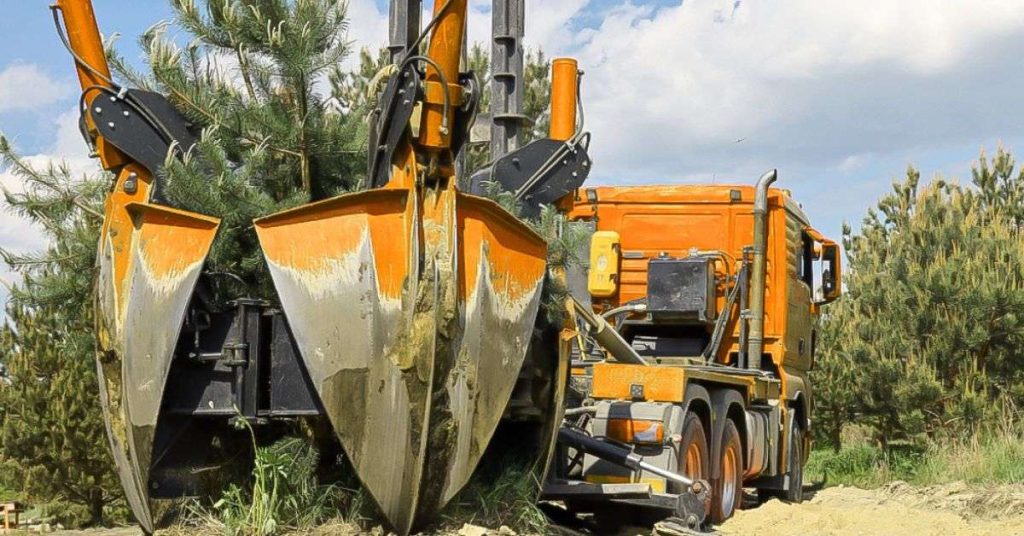
For example, ordinary methods may be sufficient to safely remove a smaller, diseased tree, while a crane tree removal service might be necessary for a huge, healthy tree.
Also, several factors, such as closeness to buildings or electricity lines and local weather, come into play in assessment procedures. Tree removalist who trained and understand the unique aspects of tree biology and have an in-depth understanding of potential dangers do this examination.
Prepare A Plan
Preparation is the next stage of the tree removal procedure once the tree has been assessed. This involves implementing the appropriate safety measures to guarantee the security of individuals and assets throughout the trimming or removal procedure. This is an essential step in removing the tree since it guards against accidents and damage.
You then need to get the tree ready for removal. This may include cutting off lower branches to make room for the tree to fall or fastening ropes to higher branches to direct the fall’s course. Apart from the tree preparation, you also have to set up their tools.
This includes guaranteeing that the chainsaws and other instruments are in good operating order and assembling any equipment that may be required, such as stump grinders or cranes. After the tree removal process, you have to plan for the cleanup as well.
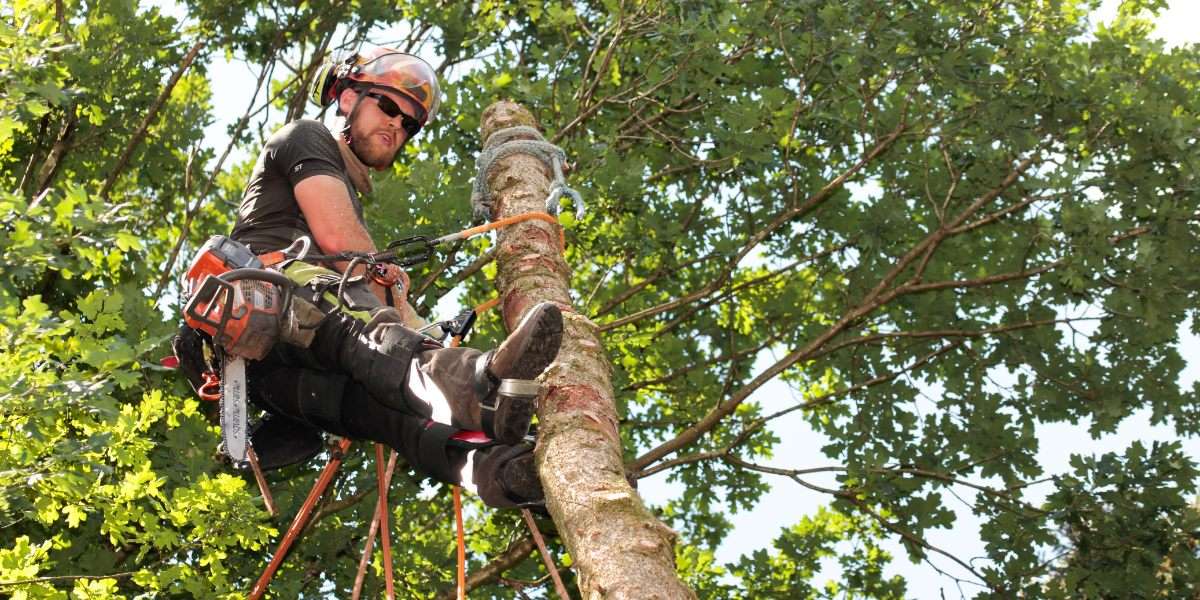
Cutting And Removal
The most noticeable aspect of the tree removal procedure is the tree’s cutting and removal. Making a precise cut at the base of the tree represents the beginning of the cutting procedure.
This cut, also known as the notch cut, determines the tree’s fall direction. The tree starts to fall in the intended direction when the felling cut meets the notch cut. Using the data you obtained from the assessment, conduct this cut to reduce the possibility of damaging the nearby property and regulate the tree’s fall.
Next, you need to make the falling cut after the notch cut. Slightly above the notch cut, this cut is made on the other side of the tree. In the fall, keep an eye on the tree and its surroundings to make sure everything happens according to plan. You must be ready to modify your plan as necessary, controlling the tree’s fall using ropes and other tools.
You then take steps to remove the tree from the property after it has fallen. This involves chopping the tree into little pieces and transporting them.
When a crane is used, it can raise the portions and transport them to a certain location where they will be further cut or disposed of. Additionally, you straighten up the area, clearing away any trash and making sure your property is kept neat and orderly. You can also grind the stump that remains after cutting down the tree to eliminate any trace of the tree from your land.
Cleanup And Disposal
Although it comes last in the tree removal procedure, the cleanup phase is by no means the least crucial. A sizable amount of debris is frequently left behind after the tree has been securely chopped down and removed. This may include the tree’s stump in certain situations, as well as branches, leaves, and sawdust.
Removing the larger debris particles is the first step in the cleanup process. It covers any sizable chopped-down branches or tree parts during removal. Usually, this debris is taken away and recycled or disposed of.
After that, you need to sweep and rake the area to get rid of smaller materials like sawdust and leaves. This makes your property seem better and guarantees the elimination of any potential hazards like tripping hazards.
As part of the cleanup, you can also grind down the tree stump if it is left behind. This entails grinding the stump down below ground level with a specialized machine. You can remove the resulting wood chips as part of the cleanup or use them as fertilizer in your garden.
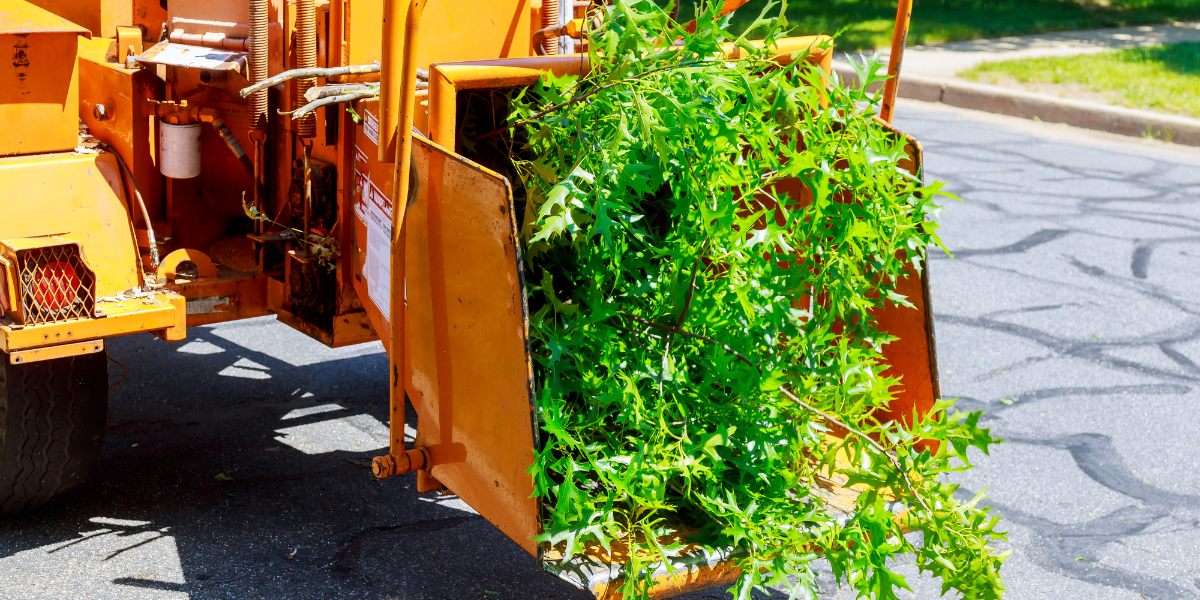
Follow These Steps While Removing A Tree
Tree removal is generally risky since it needs to be done with great planning. However, most people may face difficulties in the safe tree removal process. If so, you probably require the services of a qualified tree removal company. They have excellent knowledge about this process.
If you need such expert services on tree removal in Sydney, you may contact JAC Removals, a professional and expert tree removalist in Sydney. They provide various services, such as emergency tree care, tree trimming, and crane tree removal, to build a space that will be both lovely and useful for many years to come.