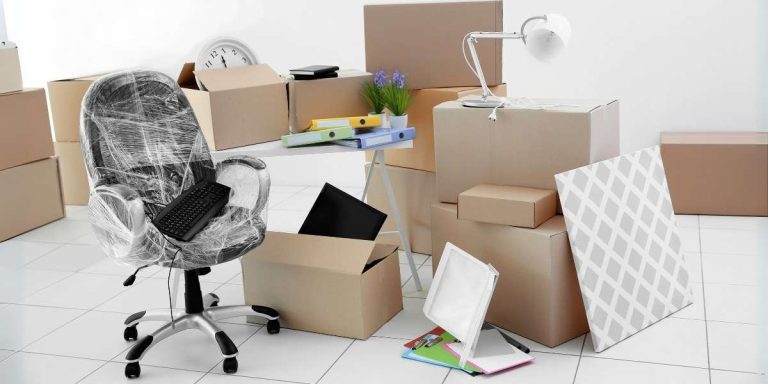
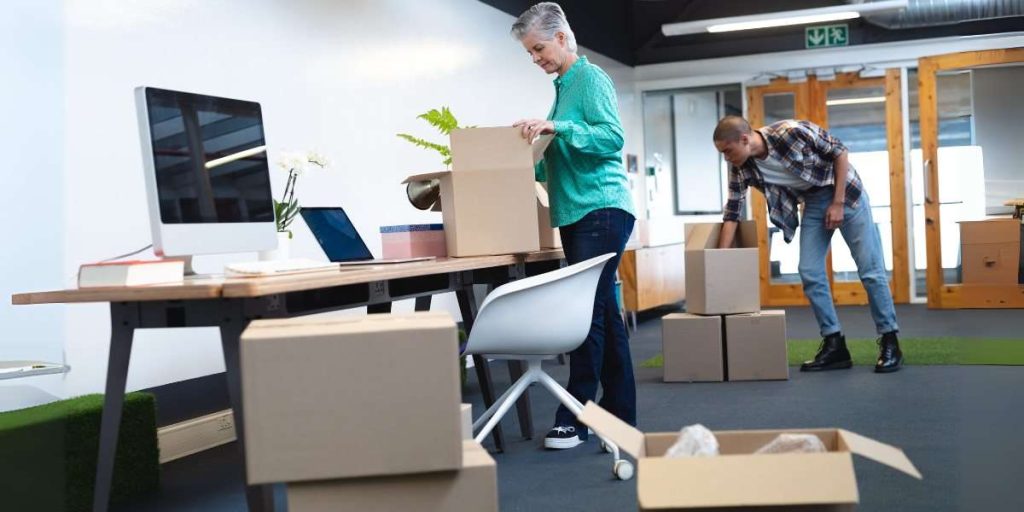
Office Moving Mistakes That Could Damage Fragile Items
Whether you’re relocating your business or simply reorganising your space, packing fragile office items is a task that requires precision and care. Office equipment like monitors, glassware, printers, and decor may not only be expensive to replace but can also impact productivity if damaged. Unfortunately, many businesses make common packing mistakes that lead to breakages, delays, and unnecessary costs.
To help you pack smart and avoid costly mishaps, here are the most common mistakes to avoid when packing fragile office items and what to do instead.
Why Proper Packing Of Fragile Office Items Matters?
Improper packing doesn’t just put your fragile items at risk it can disrupt your entire workflow. Damaged monitors, broken printers, or cracked glass decor can delay project timelines and add unexpected replacement costs. Taking the time to pack correctly protects your investment and helps maintain business continuity. It also ensures your office relocation stays on schedule and within budget.
1. Using The Wrong Packing Materials
Mistake: Grabbing whatever boxes, newspapers, or packing tape you can find last-minute.
Why it matters: Old or flimsy boxes may collapse under pressure, and newspapers can leave ink stains on delicate surfaces.
What to do instead: Invest in sturdy, double-walled boxes, bubble wrap, packing paper, and high-quality tape. Use foam corner protectors for electronics and ensure each item is cushioned properly.
2. Overpacking Boxes
Mistake: Stuffing too many fragile items into a single box to “save space”.
Why it matters: Overpacking increases the risk of pressure damage, while also making boxes heavier and harder to move safely.
What to do instead: Pack items with enough space between them, using padding to fill gaps. Keep box weights manageable, no more than 20–25 kg, and label them as “Fragile”.
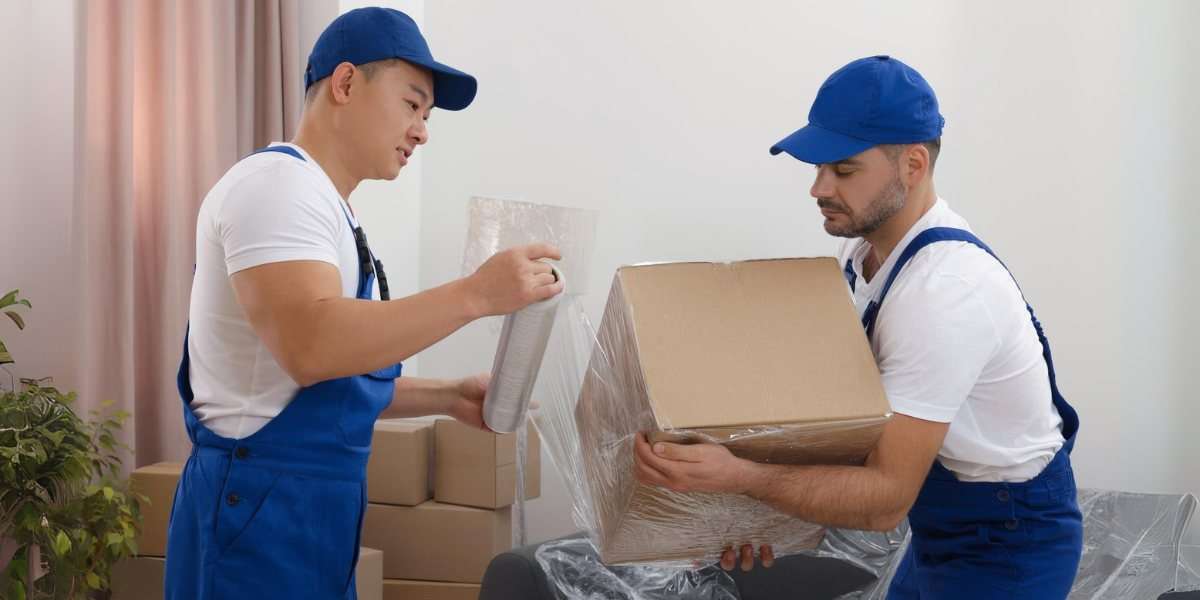
3. Not Labelling Boxes Properly
Mistake: Forgetting or neglecting to mark fragile boxes.
Why it matters: Removalists in Sydney may handle unlabelled boxes like regular ones, increasing the risk of damage during loading or transport.
What to do instead: Clearly label all sides of the box with “Fragile” and “This Way Up” stickers or a permanent marker. Indicate the contents if necessary (e.g., “Glassware” or “Monitor”).
4. Skipping The Inventory List
Mistake: Not keeping track of what’s been packed where.
Why it matters: You may end up digging through boxes, re-opening sealed ones, or losing track of valuable equipment.
What to do instead: Create a packing inventory list. Number your boxes and write down what’s in each. This helps you stay organised during the move and simplifies unpacking at the new location.
5. Packing Electronics Without Proper Prep
Mistake: Tossing in computers, monitors, or printers without securing them or removing cables.
Why it matters: Cables can get tangled or cause ports to break. Static or pressure can damage screens or internal components.
What to do instead: Back up important data, disconnect and label cables, and wrap each component separately in anti-static bubble wrap. Use the original packaging if you still have it it’s designed to offer optimal protection.
6. Ignoring Weight Distribution
Mistake: Putting all heavy items in one side of the box or stacking heavy boxes on top of light ones.
Why it matters: Unevenly packed boxes can tip over or collapse during transport.
What to do instead: Distribute weight evenly in each box. Stack heavier boxes on the bottom and lighter, more fragile ones on top.
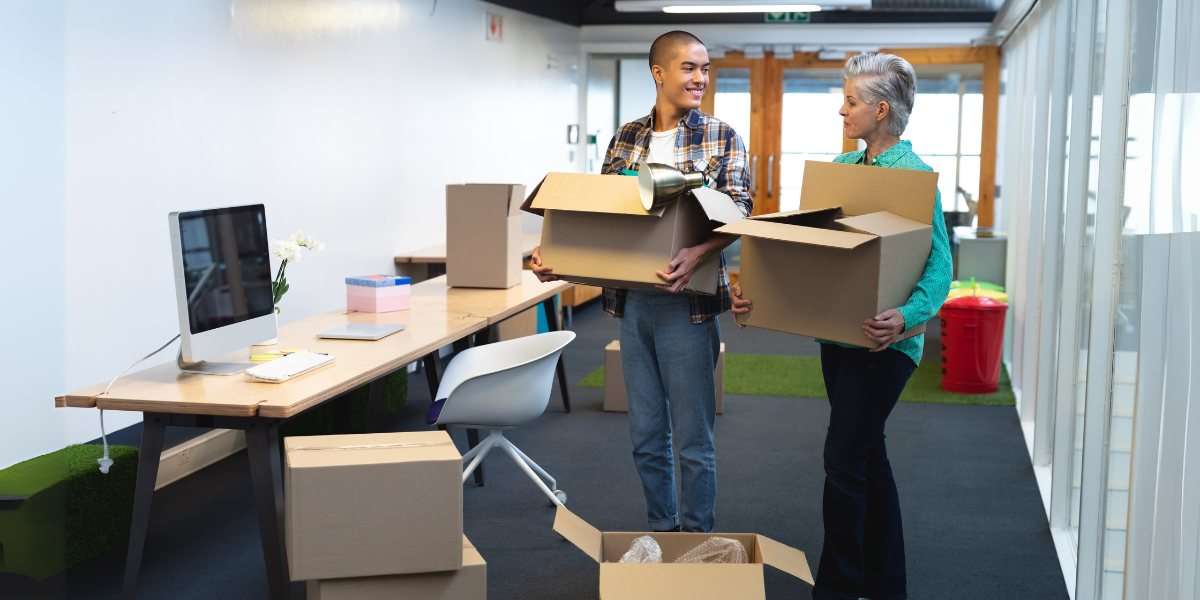
7. Leaving Packing Until The Last Minute
Mistake: Rushing to pack fragile items at the end of the move.
Why it matters: Hasty packing often leads to poor cushioning, mislabelling, and breakages.
What to do instead: Start packing non-essential, fragile items early. Set a schedule and allocate enough time for proper wrapping, boxing, and organising.
8. Not Getting Professional Help When Needed
Mistake: Trying to do everything yourself, especially when moving high-value or sensitive equipment.
Why it matters: Improper handling or transport of fragile office items can lead to costly damage, business downtime, or injury.
What to do instead: Consider hiring office removal specialists. Sydney movers with experience in handling office relocations know how to manage delicate equipment and reduce risks. Understanding your office moving cost upfront can also help you budget smartly and avoid last-minute surprises.
Take These Tips Seriously For A Damage-Free Move
When it comes to office relocations, handling fragile items is one area you don’t want to cut corners on. Avoiding these common mistakes when packing fragile office items will not only protect your belongings but also reduce stress during the moving process. Whether you’re moving across town or just down the hall, careful planning and the right approach can make all the difference.
If you’re feeling unsure, it’s always wise to contact a reliable moving company that specialises in office relocations. A trusted name like JAC Removals can help ensure your fragile items arrive safely and your business gets back on track without delay.